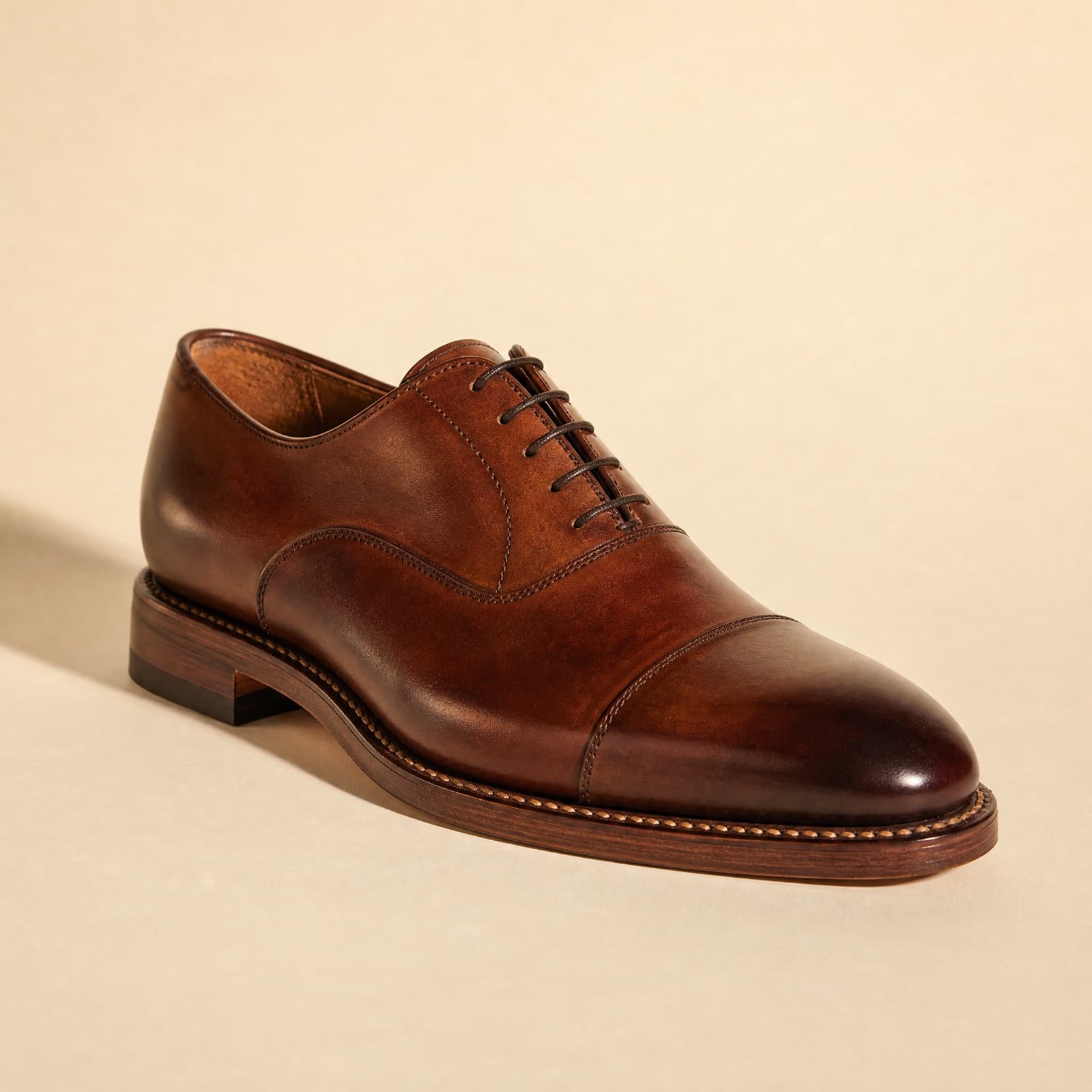
 Resoleable
Oxford Goodyear
$398
Welted. The one you can have resoled again and again.
- Construction
- Goodyear welted
- Width across the ball
- 98 mm
- Last
- Standard
Cordoal — men's dress shoes
Three numbers before any adjective. Every pair on this site states the width across the ball in millimetres, how the sole is attached, and whether it can be resoled — because those three decide how long you keep it.
Cut it open
All construction detail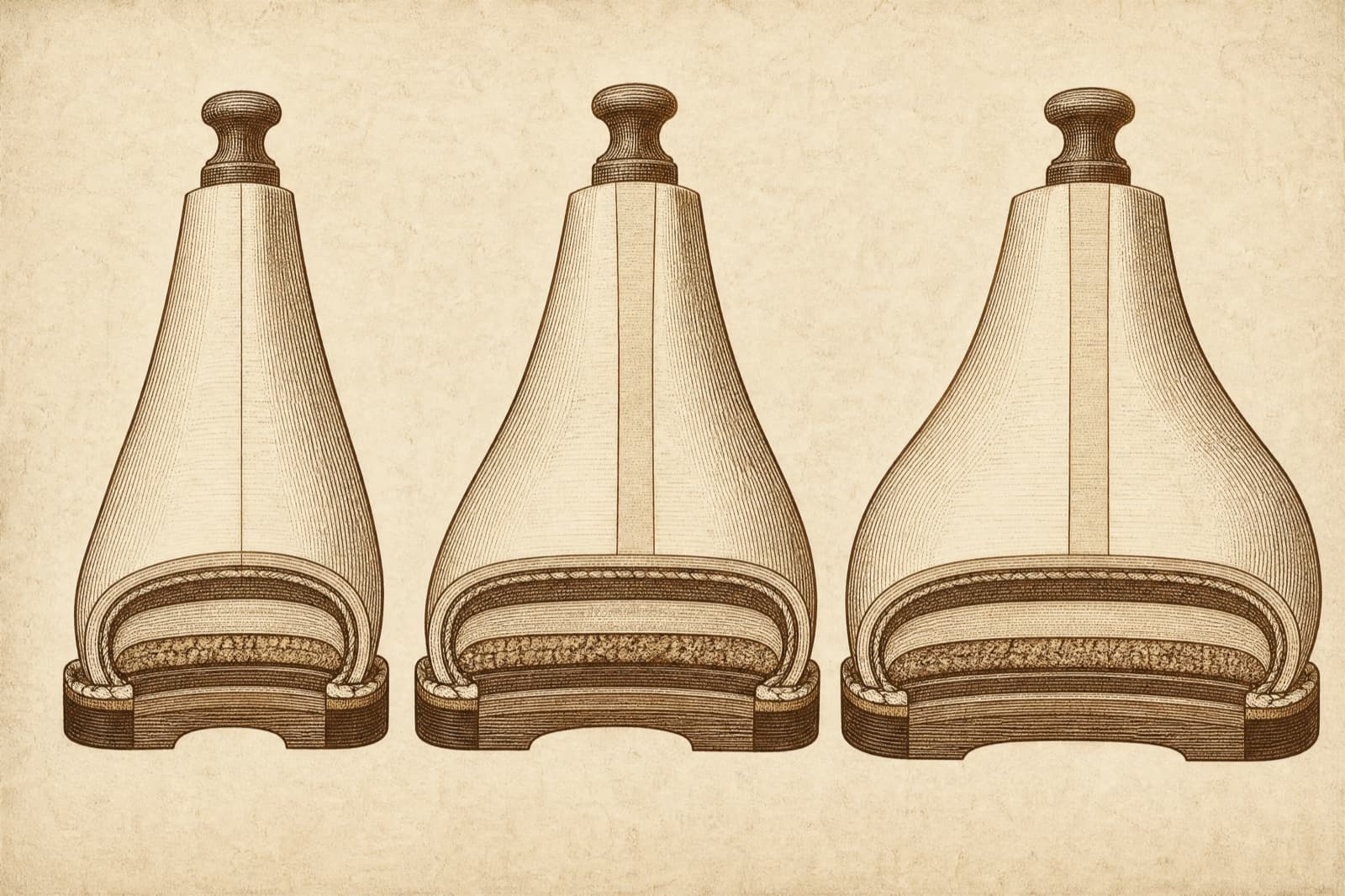
Every shoe is built over a wooden form. We cut on three: Standard at 98 mm across the ball at EU 42, Round toe at 101 mm with more room over the instep, and Wide at 105 mm. Same length, different volume.
Width is not the same as size. A wider last at the same length fits differently.
Size converter
Stand on a sheet of paper against a wall, mark the longest toe, measure from the wall to the mark. Do it late in the day, on both feet, and use the longer one. How to measure
Sizing varies between lasts even within our own range. The length in cm is the only number that means the same thing everywhere.
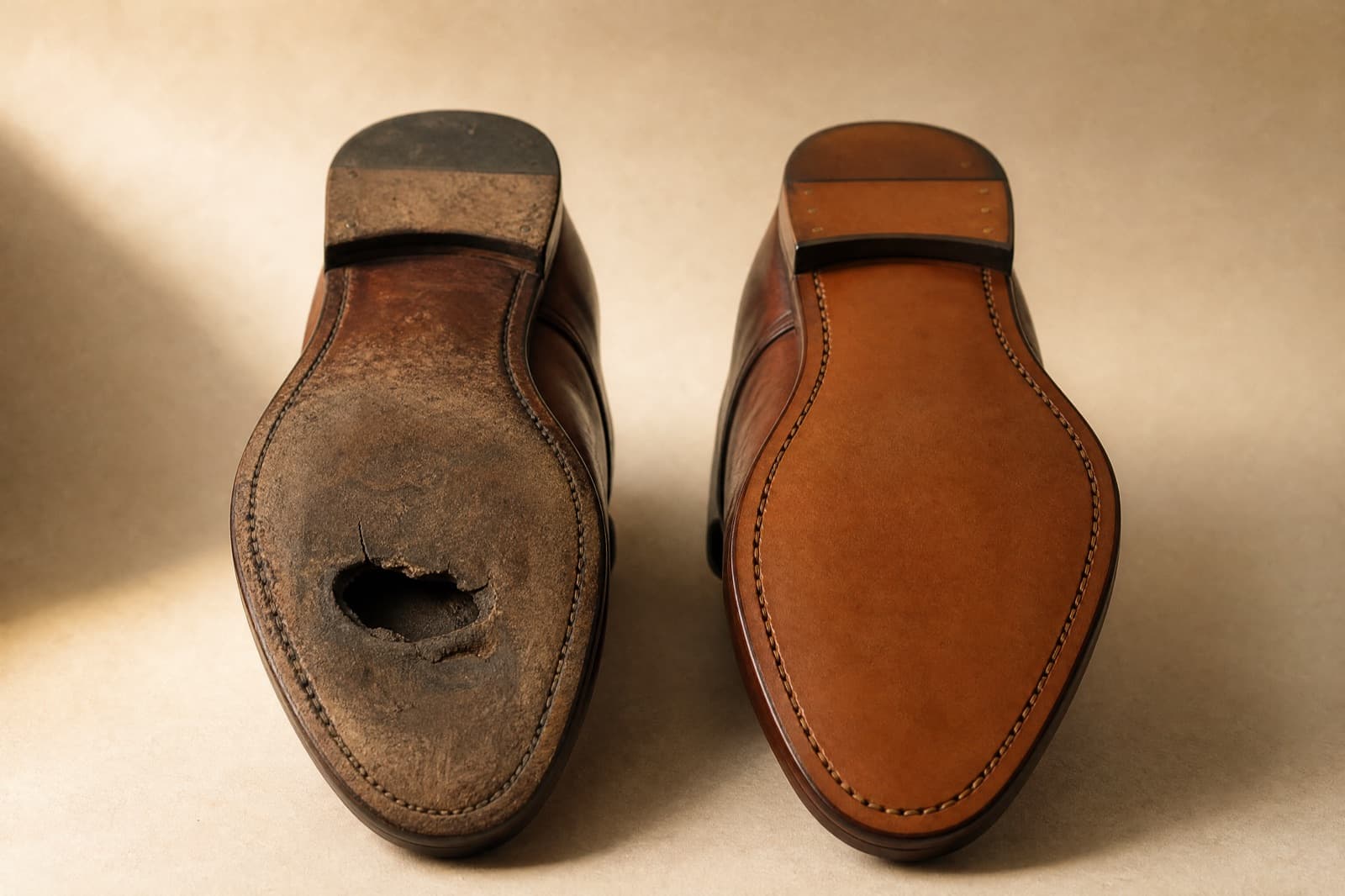
Why we photograph the edge
Anyone can photograph a toe cap. The line where the upper meets the welt, and the stitching that runs along it, is the part that tells you whether the shoe can be taken apart and put back together in five years.
So every product page carries the sole from underneath, the label sewn inside, and the numbers that go with them.
Three endings
Everything else about a dress shoe can be judged by looking at it. This cannot — and it is the part that determines whether you replace the pair in two years or keep it for fifteen.
01
Cannot be resoled
The upper is turned under the insole board and bonded to the outsole with adhesive. No stitching anywhere in the sole. Light, flexible from new, and finished when the outsole wears through.
02
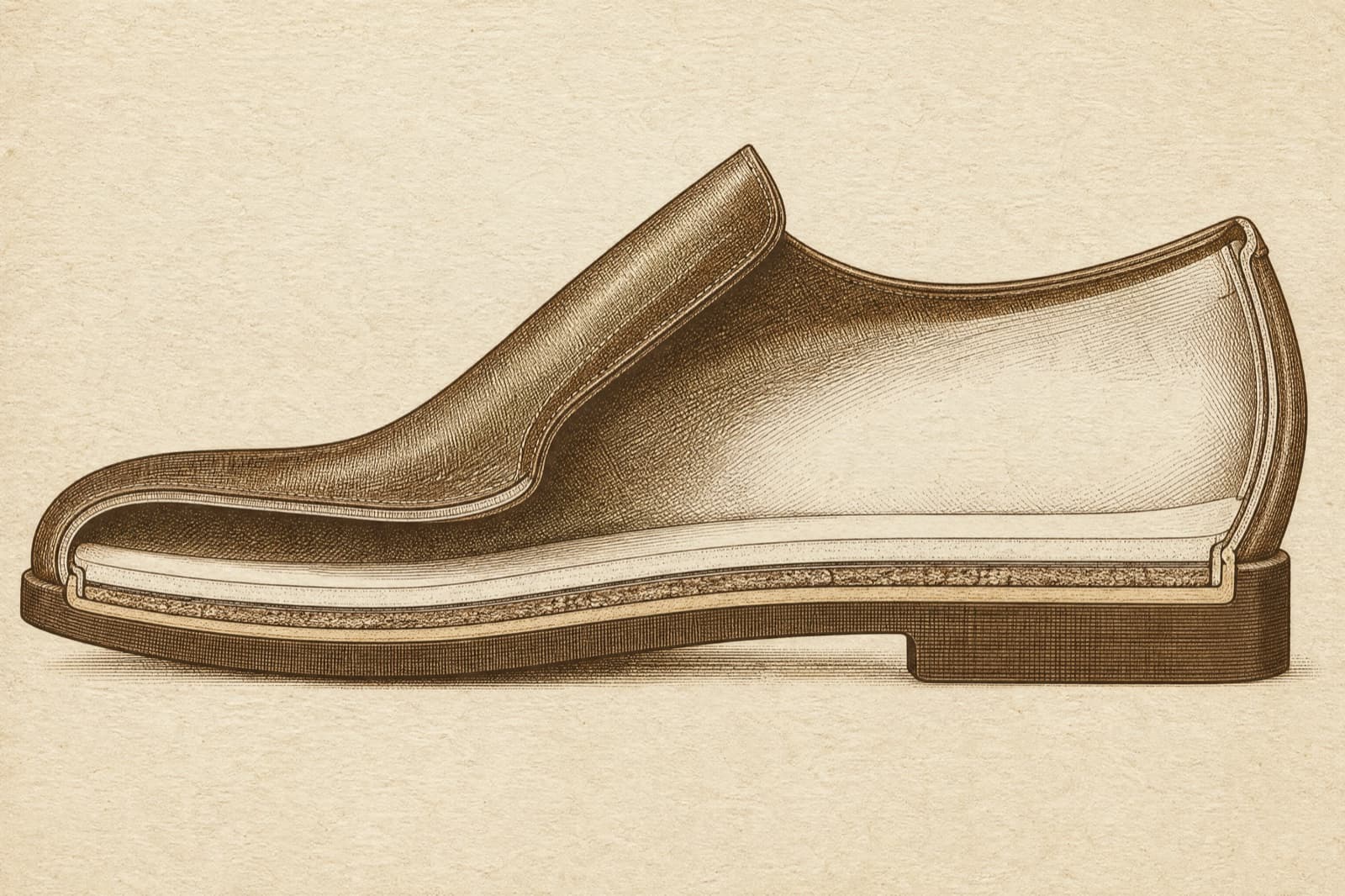
Resoleable, but only with a Blake machine
A single row of stitching passes from inside the shoe through insole, upper and outsole. No welt, so the sole sits close to the upper and the shoe flexes early. Resoling is possible but needs equipment many workshops do not have.
03
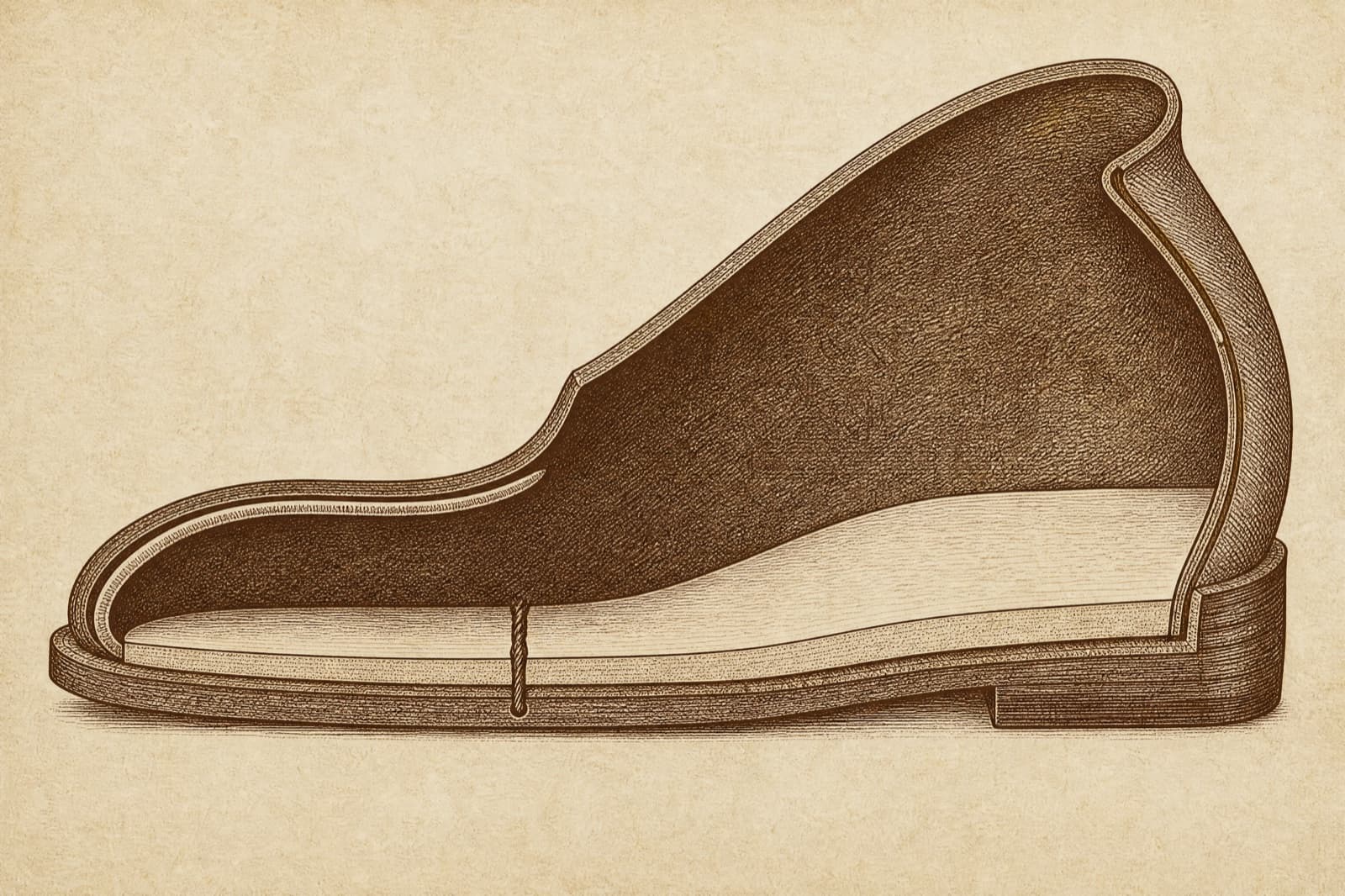
Resoleable repeatedly
An inseam holds the upper and a welt strip to a rib on the insole; a second seam attaches that welt to the outsole. The outseam never passes through the upper, so the outsole can be cut away and replaced without touching the shoe above it.
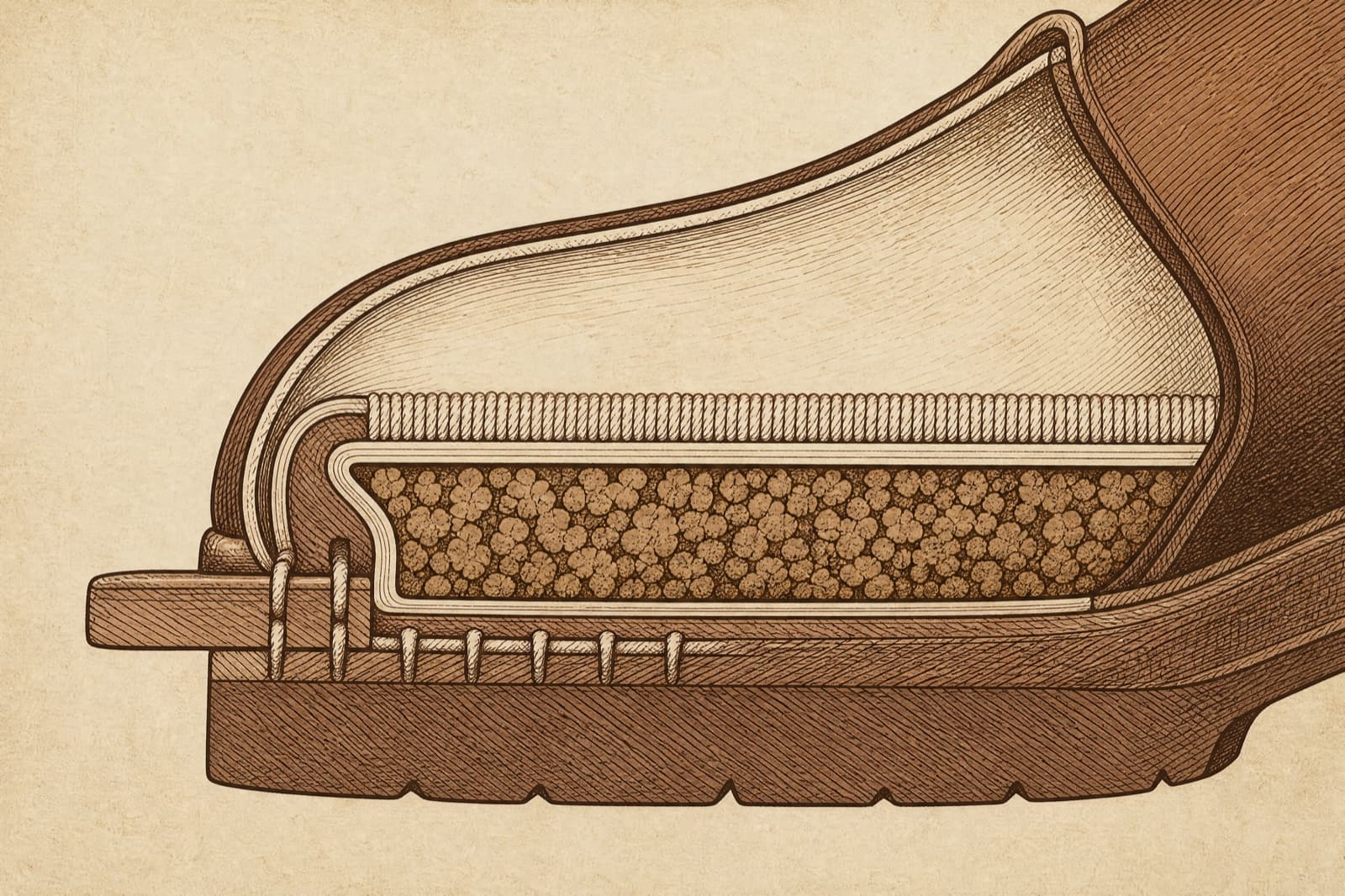
No stitching at all. Adhesive between the upper and the outsole, and no way back once it wears through.
01
Resoling, stated by name
Half this trade advertises resoling as a house virtue while selling cemented soles alongside welted ones. A cemented sole cannot be replaced at any price, by anyone. So we count.
A place to start
Resoleable$398
Welted. The one you can have resoled again and again.
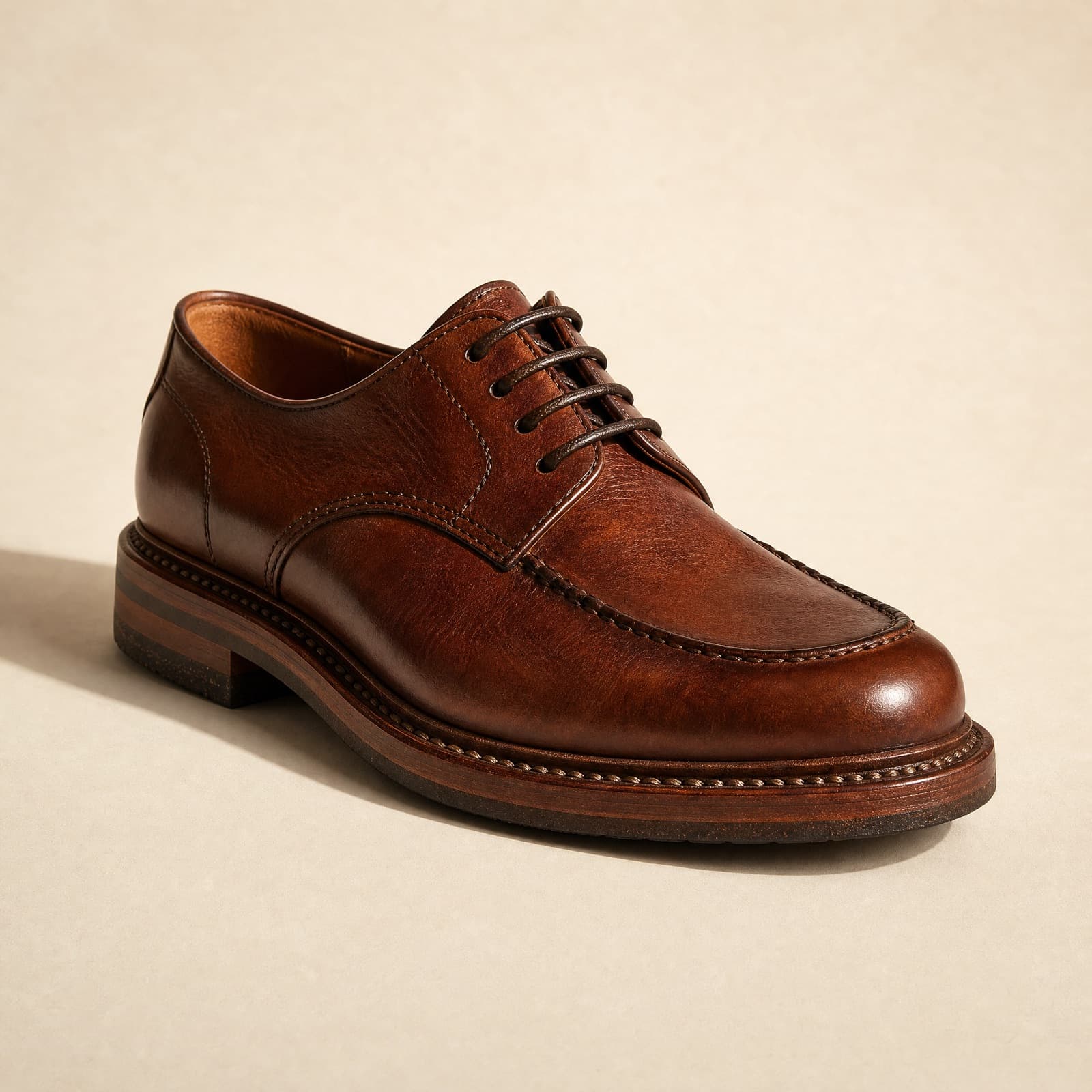 Resoleable
$458
Double leather sole, storm welt, round toe.
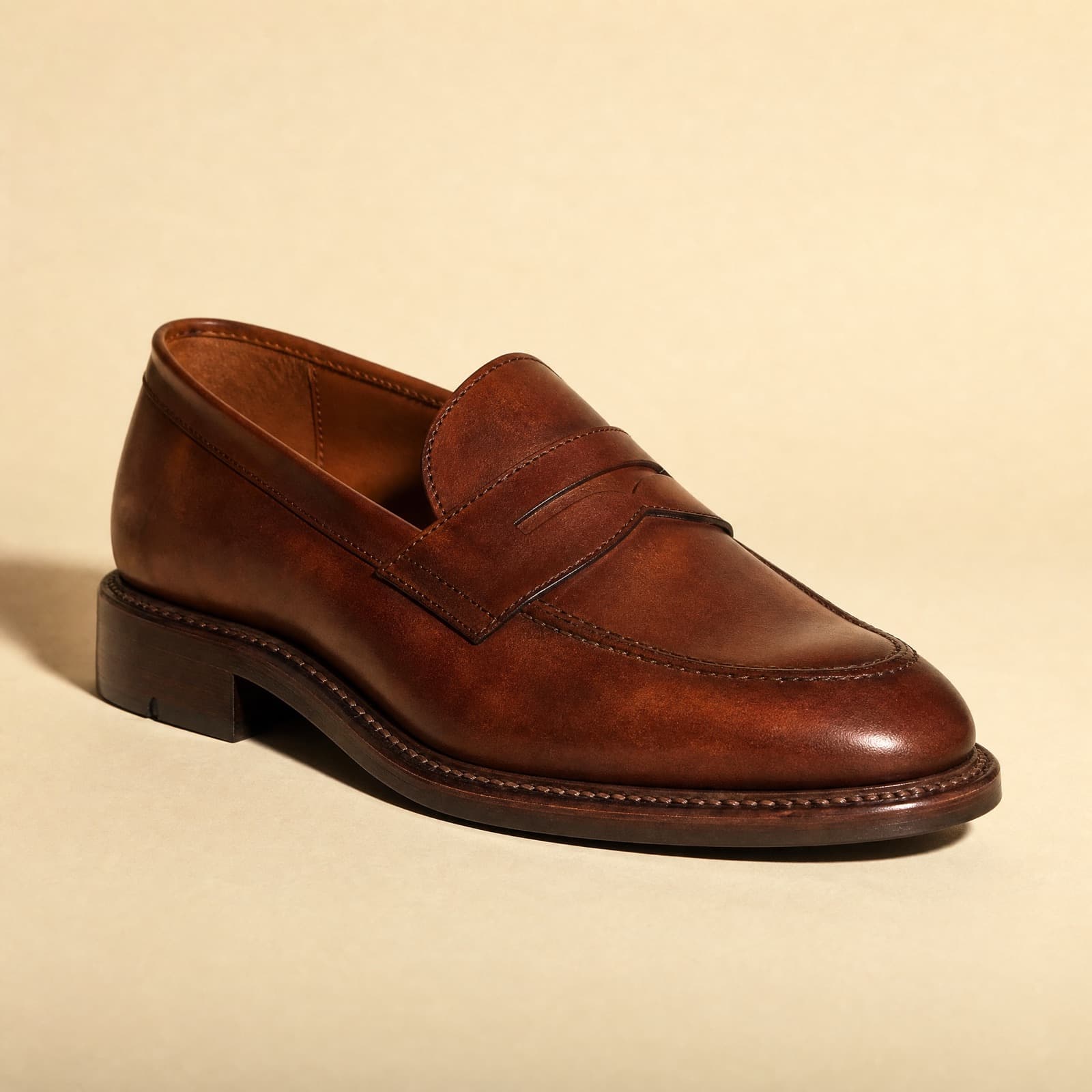 Resoleable
$428
A welted loafer. Heavier, and it comes back from a resole.
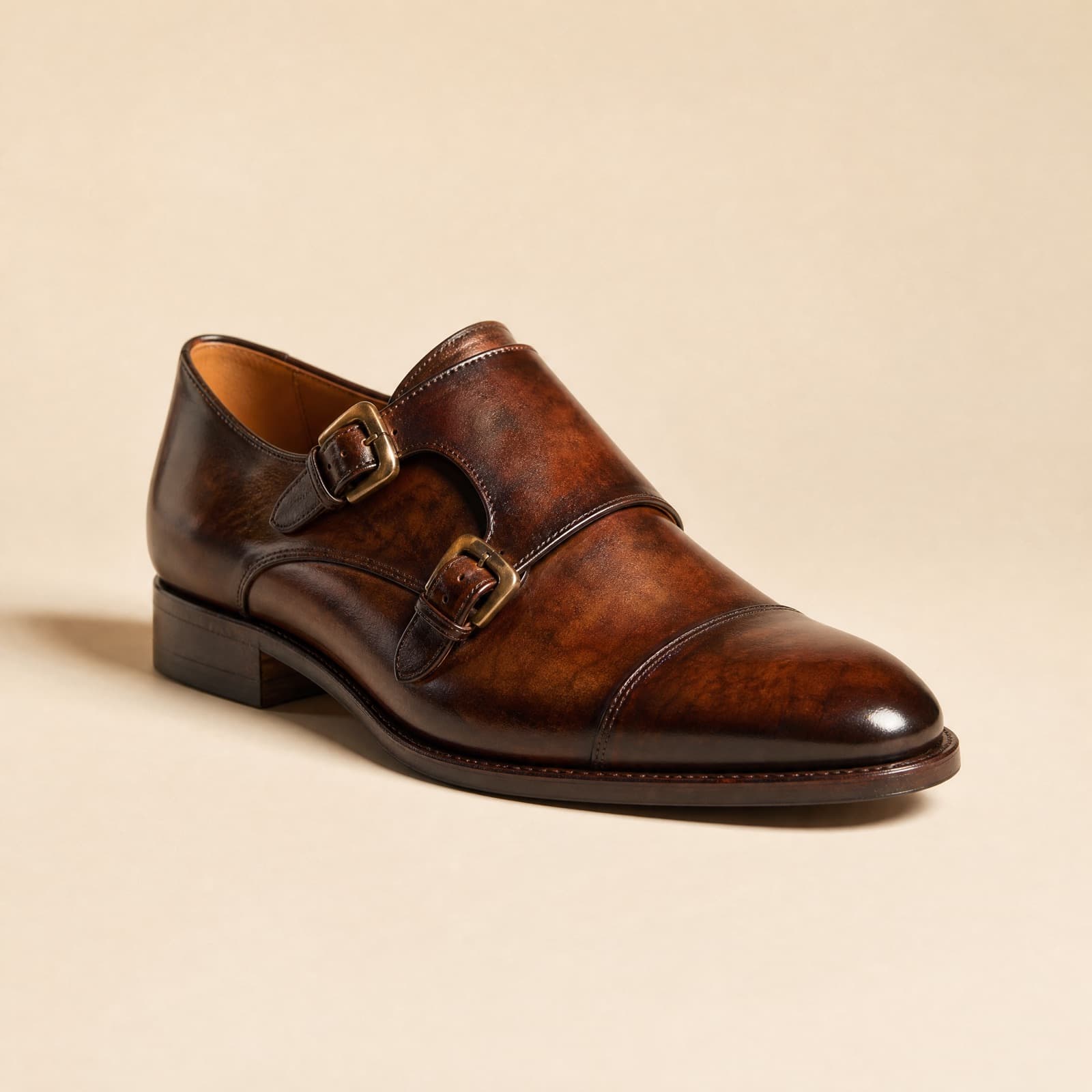 Resoleable
$478
Hand-painted double monk.
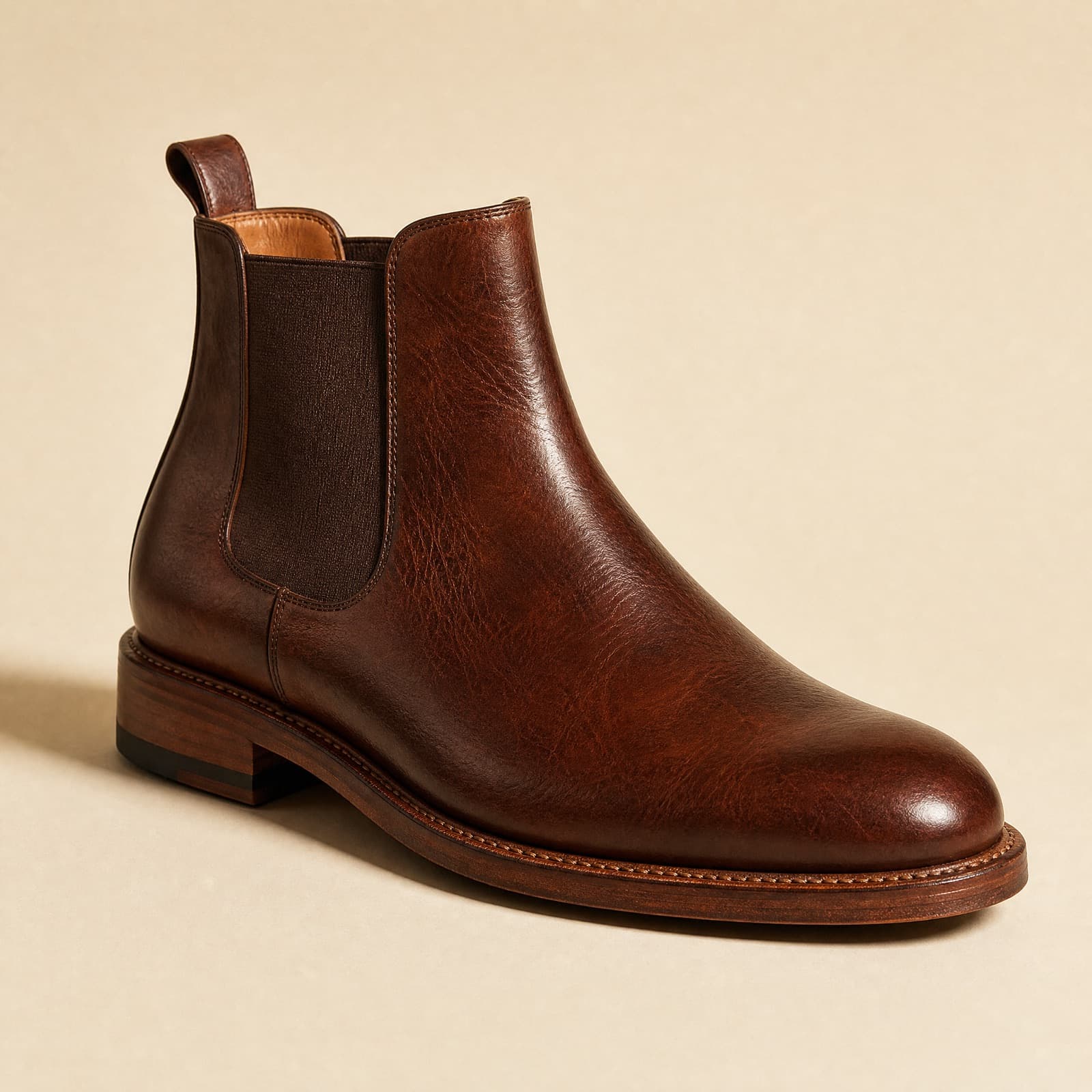 Resoleable
$428
Welted chelsea with a stacked leather heel.
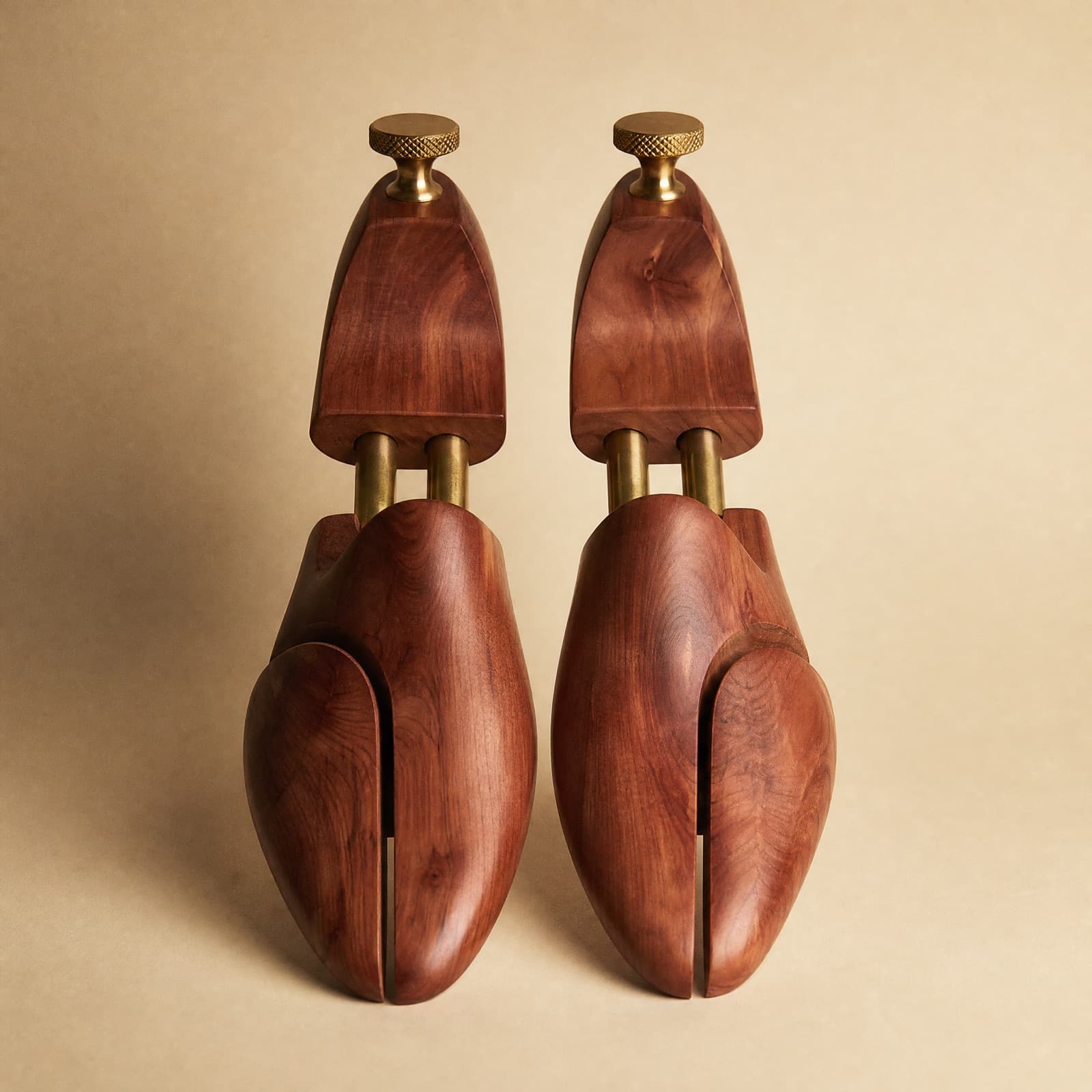
$48
A pair of split-toe cedar trees with a twin-tube stem.
 Resoleable
$458
One piece of leather. One seam, at the heel.
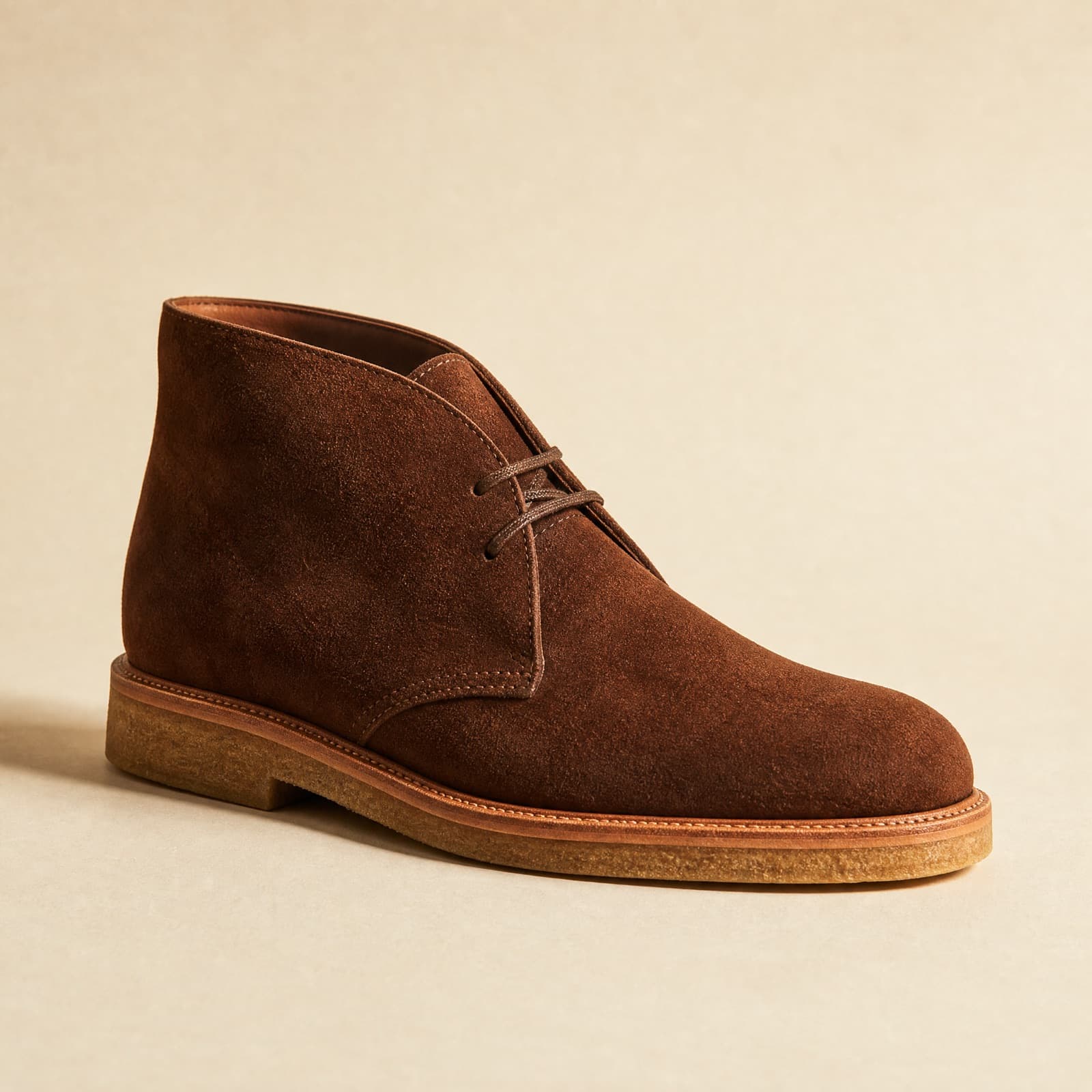
$268
Two eyelet pairs, ankle height, suede calf.
New leather is stiff, and it stays stiff until it has been walked in. That period is short and it is normal, and knowing what to expect is most of what stops a good pair being returned in its first fortnight.
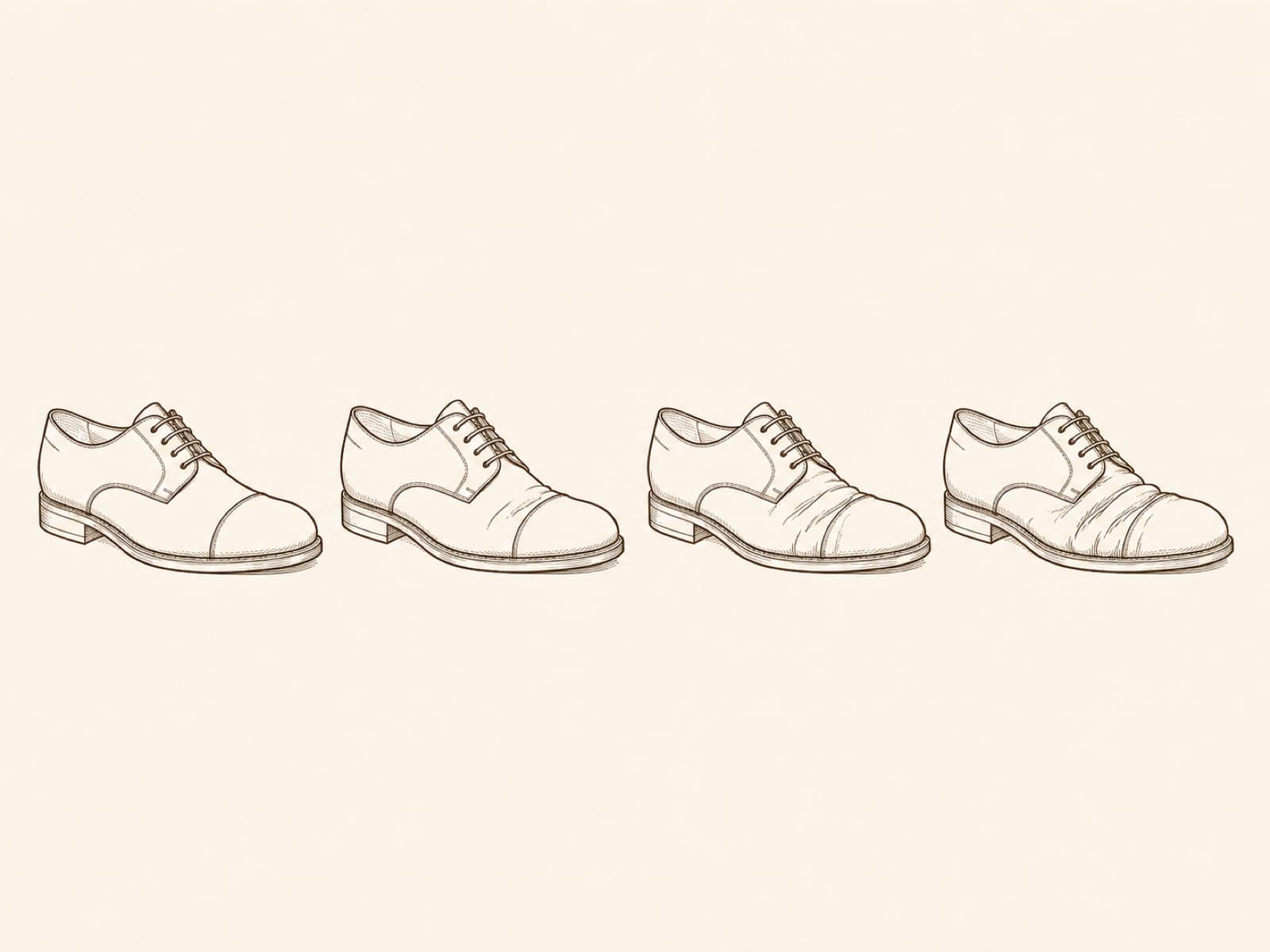
Two to four wears before a smooth calf upper softens. Longer on a double sole, shorter on suede. The creasing that appears across the vamp is the leather learning where your foot bends.
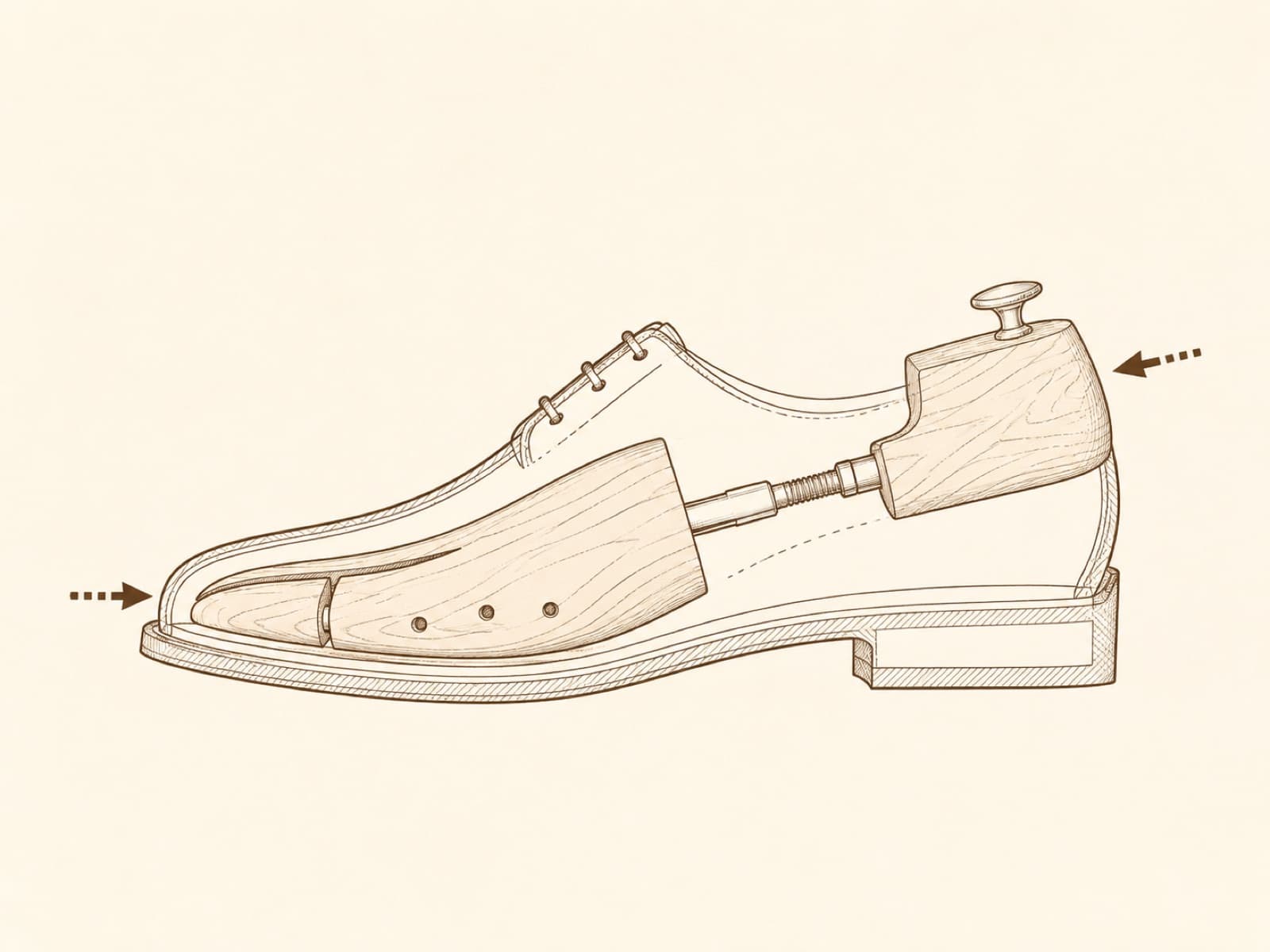
Insert them while the shoes are still warm. Cedar takes up the moisture and the tree holds the toe box against the crease that has just formed. Ten minutes matters more than the brand of tree.
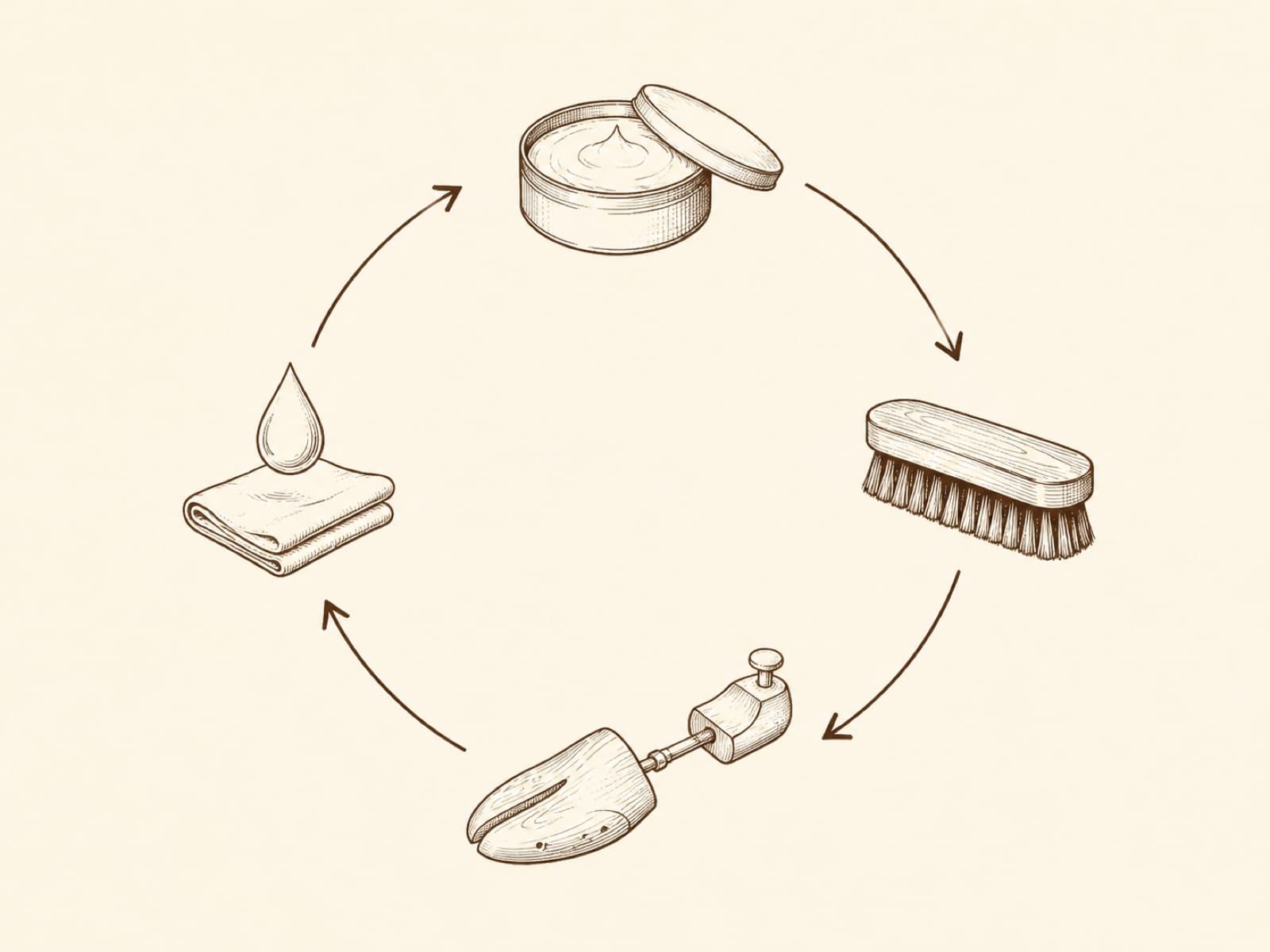
Cream every eight to ten wears, wax every third application. Suede gets a brush and nothing else — cream on a nap flattens it permanently.
Cordoal sells in USD only, on a one-time purchase basis — no subscription, no membership tier, no stored value. Free standard shipping over $199.